
· By KAI
Quick answer: To make Google Chrome your default browser in Windows 10, open the Start menu, go to Settings, click on Apps, select Default Apps, and choose Google Chrome under the Web browser section. This process lets you use Chrome as your primary browsing tool.
- Open the Windows Start menu to access settings.
- Locate and select Default Apps in the Settings menu.
- Choose Google Chrome from the options under Web browser.
- Confirm the change to set Chrome as default.
- Enjoy enhanced browsing with Google Chrome’s features.
Why Should You Choose Google Chrome as Your Default Browser?
Google Chrome is a popular web browser known for its speed, security, and extensive range of features. Many users prefer it for several reasons:
- Speed and Performance: Google Chrome is recognized for its fast loading times and efficient operation. This speed can improve your overall web surfing experience, making online tasks smoother and more enjoyable. It leverages a multi-process architecture which allows tabs and extensions to operate independently, minimizing slowdowns.
- Customization through Extensions: With thousands of extensions available in the Chrome Web Store, users can tailor their browsing experience. These tools enhance productivity and functionality, adapting to a wide array of individual needs. For example, you can block ads, manage passwords, or even integrate task managers directly into your browser.
- Integration with Google Services: If you regularly use Google services, such as Gmail or Google Drive, Chrome’s integration can streamline your tasks, making it easier to access documents, emails, and calendar events from within the browser. Features like auto-login and seamless document editing contribute to efficiency.
- Cross-Device Synchronization: Chrome allows you to sync bookmarks, passwords, and settings across various devices, including smartphones and tablets. This feature ensures a consistent experience whether you are on your computer or mobile. Just sign in with your Google account, and all your preferences will follow you, eliminating the hassle of manual transfers.

Steps to Make Google Chrome Your Default Browser in Windows 10
Changing your default browser to Google Chrome in Windows 10 is simple. Just follow these detailed steps:
1. Access the Windows Start Menu
Begin by clicking the Windows icon located at the bottom-left corner of your screen. This action will launch the Start menu, providing access to applications and system settings. If you’re having trouble navigating, consider looking into how to manage settings using the search function, where you can quickly type “settings” to find your way.
2. Locate Default Browser Settings
In the Start menu’s search bar, type “default browser.” As you type, results will populate. Click on the option labeled “Choose a default web browser” to access the relevant settings. This section handles how your system manages web applications and will guide you in selecting the browser you prefer for opening web links.

3. Open the Default Apps Settings Menu
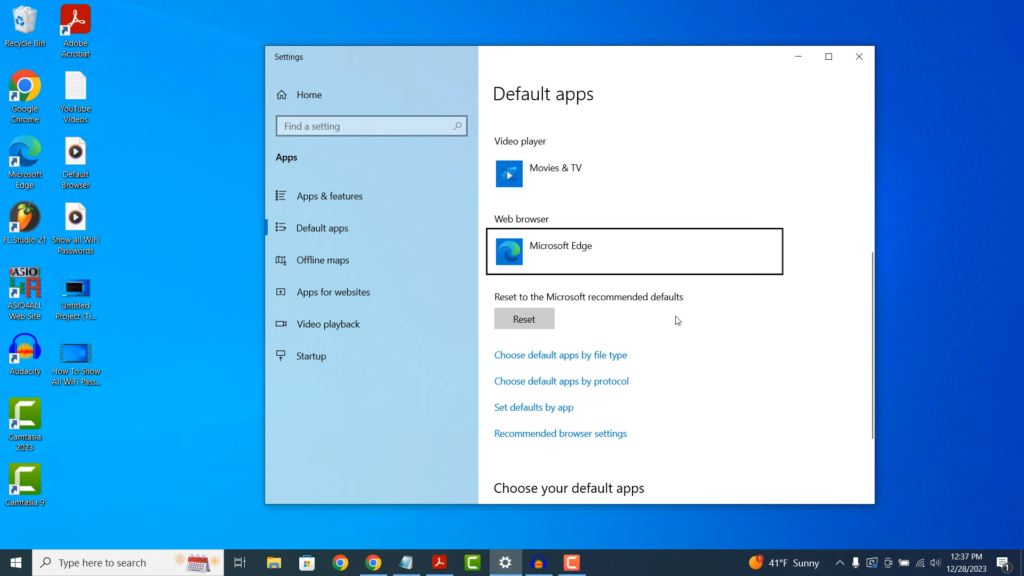
Upon selecting the option for default browser settings, the Default Apps window will emerge. In this window, a variety of default applications for email, music, and other tasks are available. Look for the section titled “Web browser” to make your upcoming selections. This straightforward interface allows you to see your currently set default browser and change it with ease.
4. Change Your Default Web Browser to Chrome
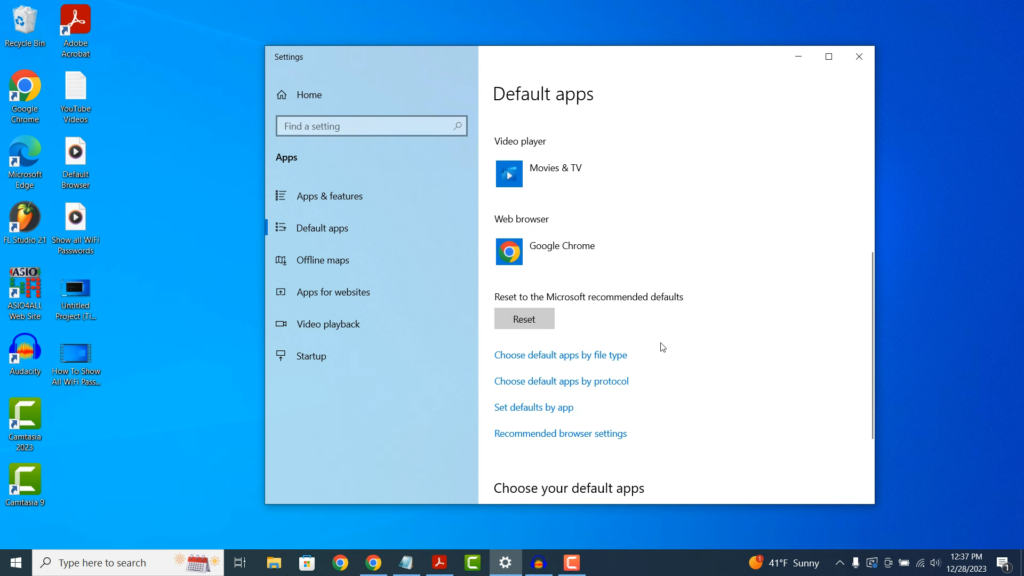
In the Web browser section, Microsoft Edge is usually set by default. Click on the Microsoft Edge icon, which will open a list of installed web browsers on your system. Find and select Google Chrome from this list. If you’re considering alternatives, check out how Chrome compares to other popular browsers. Learn about these comparisons. If Chrome does not appear, ensure that it is installed on your system first.
5. Confirm the Change to Chrome
Once you have selected Google Chrome, it will automatically become your default web browser. From this moment, all web links you click will open in Chrome. You are now ready to make the most of its features, like advanced security settings and extensive customization options. For tips on enhancing your browsing experience, refer to our guide on keyboard shortcuts for Chrome. Familiarizing yourself with these shortcuts can significantly speed up navigation and task completion.
Potential Pitfalls: Common Mistakes When Changing Default Browsers
While setting Google Chrome as your default browser is generally straightforward, there are common missteps users often encounter:
- Overlooking System Updates: Sometimes, Windows updates can reset your default browser settings to Microsoft Edge. Ensure you check if Chrome remains set as default after updates, as newer updates may sometimes revert settings for compatibility reasons.
- Missing Extensions: Users often don’t realize that some features may not transfer over seamlessly when changing browsers. Be sure to install your necessary Chrome extensions to maintain the desired functionality. This is especially true for tools you relied upon in your previous default browser.
- Ineffective Syncing: If you have trouble syncing your settings or bookmarks, verify that you are logged into the same Google account on each device and that sync settings are enabled in your Chrome settings. Misconfigured sync settings can lead to missing bookmarks or lost passwords.
Understanding Browser Defaults: Hidden Costs and Trade-Offs
Switching your default browser often comes with hidden costs and considerations that can impact your browsing experience. While making Google Chrome your primary browser has significant benefits, it is vital to evaluate your options:
- Security Considerations: While Chrome is generally secure, no browser is completely immune to threats. Regularly update your browser to keep security features intact. Utilizing built-in features like Site Isolation can also help protect your data.
- Performance Implications: Some users may notice that Chrome can consume more system resources compared to lighter browsers. If you run multiple applications, monitor your system performance and consider clearing your browser cache regularly to optimize speed.
- Learning Curve: New users might find the array of features overwhelming. Take time to familiarize yourself with Chrome’s interface and tools, exploring Help Centre resources and utilizing online tutorials to enhance your efficiency over time.
Who Should NOT Use Google Chrome?
While Google Chrome is an excellent choice, there are specific user profiles that may find it less suitable:
- If you are primarily concerned with minimal resource use and are working on older hardware, you might opt for lighter browsers such as Brave or Opera that require less system memory.
- Users seeking maximum privacy might prefer browsers designed with a privacy-first approach, like Firefox or DuckDuckGo’s browser, which emphasize user security and anonymous browsing.
- If your primary concern is to avoid Google’s ecosystem due to data privacy issues, consider alternatives that limit tracking and data collection, focusing instead on browsers that prioritize user autonomy.
Realistic Example Scenarios
Scenario 1: A Student
A college student using a laptop for research and assignments might benefit from Chrome’s extensions such as Google Scholar and citation tools. This user finds integration with Google Drive valuable for accessing and editing documents on the go.
Scenario 2: An Online Shopper
An online shopper who frequently browses multiple e-commerce sites can leverage Chrome’s features for price comparisons and coupon extensions, enhancing their shopping experience. The auto-fill feature for payment information also streamlines the check-out process.
Scenario 3: A Casual User
A casual internet user who primarily browses news and social media will appreciate Chrome’s speed and user-friendly interface. The option to sync across devices means they can easily switch from their smartphone to their laptop without losing their browsing context.
FAQs about Setting Google Chrome as Default
How do I make Chrome my default browser on Windows 10?
To make Google Chrome your default browser on Windows 10, navigate to Settings from the Start menu, go to Apps, select Default Apps, and then choose Google Chrome under Web browser.
Why is Google no longer my default browser?
Your default browser setting can change due to system updates or the installation of other browsers. You may need to manually re-select Google Chrome as your default browser to restore the setting.
How do I make Google my default browser instead of Safari?
To replace Safari with Google Chrome, go to your device’s settings, find the default browser settings, and select Google Chrome from the options available to set it as your new default.
How can I use Chrome instead of Edge as my default browser?
To switch from Microsoft Edge to Google Chrome as your default browser, access Windows Settings, select Default Apps, and choose Google Chrome in the Web browser section to finalize the change.
What are the advantages of using Google Chrome?
Using Google Chrome provides numerous benefits, including fast performance, access to a wide range of extensions, better integration with Google services, and easy synchronization of settings across devices.
In conclusion, setting Google Chrome as your default browser in Windows 10 is a straightforward process that significantly enhances your browsing experience. By following the outlined steps, you can take full advantage of Chrome’s powerful features, improved speed, and seamless integration within the Google ecosystem.
If you found this guide helpful, please consider sharing it with others or leaving feedback. For more tips on optimizing your tech experience, check out our resources. Happy browsing!






Leave a comment