· By KAI
Quick answer: Google has ceased AdSense monetization for publishers in Russia as of August 12, 2024, primarily due to ongoing geopolitical tensions. This decision profoundly impacts Russian content creators reliant on Google’s platforms for revenue, limiting their opportunities to monetize their work effectively.
- Google’s AdSense shutdown affects all platforms serving Russian users.
- Russian content creators face significant revenue losses.
- The suspension aligns with broader economic sanctions imposed on Russia.
- There is no timeline for lifting the current restrictions.
- The Russian government criticizes Google’s actions as discriminatory.
On August 12, 2024, Google announced the suspension of AdSense monetization for Russian publishers, a decision that has sent shockwaves through Russia’s digital content landscape. This closure applies not only to AdSense but also to other Google platforms, including AdMob and Ad Manager. The decision is a direct response to the escalating geopolitical tensions surrounding Russia, particularly in light of its ongoing conflict with Ukraine. This total halt makes it clear that international companies are taking a stand amidst regulatory challenges imposed by various global bodies.
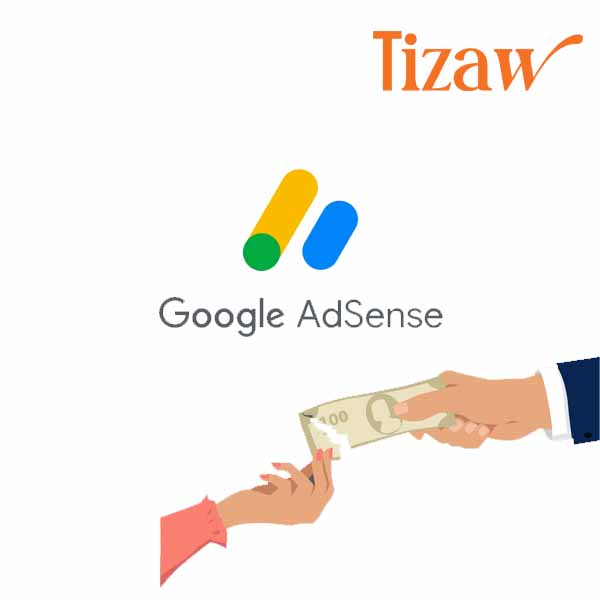
The impact of this suspension is substantial for Russian content creators. Many rely heavily on Google’s monetization options to sustain their livelihoods. As traditional avenues for revenue generation through content creation diminish, numerous creators may find themselves without a viable means for income. This situation is exacerbated by the broader economic sanctions against Russia, which have already put pressure on its digital economy. The overall outcome is an increasing difficulty for Russian businesses and individuals trying to thrive on international platforms like YouTube or other digital monetization avenues.
In a statement, Google has confirmed that Russian publishers eligible for payouts will receive their final earnings. However, no new monetization options will be available moving forward. This lack of clarity raises questions about whether these restrictions might eventually be lifted, a situation many Russian content creators hope for but remain uncertain about.
The Russian government has publicly condemned Google’s actions, labeling them as discriminatory against Russian citizens. Such reactions highlight the ongoing difficulties that Russian creators face, potentially contributing to the deepening digital divide. As access to international monetization methods becomes further limited, Russian users could find it increasingly challenging to connect and compete with global markets.
This suspension highlights the larger conflict between Russian entities and Western tech companies. The rising tensions have far-reaching implications for the future of the digital landscape within Russia. With fewer options available for revenue generation, many content creators may have to seek alternative platforms or methods of monetization, further isolating them from the global economy.
How does the suspension compare to past actions taken against Russia?
The suspension of AdSense aligns with prior moves from various tech companies against Russian operations. Many firms halted services or restricted operations due to sanctions and geopolitical pressures, complicating the business landscape for Russian publishers. In comparison, these measures form part of a broader narrative where digital platforms respond assertively to geopolitical crises, impacting localized economies in significant ways. For instance, platforms like Facebook and Twitter have faced scrutiny and enacted restrictions in response to conflicts, reflecting a trend where corporate actions intertwine with international policies.
What should Russian content creators do next?
Given the suspension of monetization through Google’s platforms, Russian content creators need to explore alternative monetization strategies. This might involve seeking out local ad networks or exploring other global services that remain accessible. Creators could consider leveraging platforms such as Telegram, where they can engage their audiences directly. Additionally, diversifying income streams through direct audience support on crowdfunding platforms like Boosty or merchandise sales can help mitigate potential revenue losses stemming from the loss of AdSense. Engaging with local communities and alternative content platforms may also serve as avenues for maintaining visibility and income, allowing for a more sustainable approach to content creation amidst these changes.
Which monetization alternatives are available?
Several alternatives exist for content creators who can no longer rely on Google AdSense for revenue. Options such as Yandex Direct, which is tailored for Russian advertisers, and local Russian advertising solutions may provide some relief, potentially offering competitive rates to reach domestic audiences. Furthermore, platforms like Patreon or Boosty can facilitate direct audience engagement and support, allowing creators to monetize their content more sustainably. Each alternative comes with its own set of advantages and challenges, such as audience size, ad relevancy, or platform engagement, which content creators must weigh against their specific goals and viewer demographics.
What are the hidden costs of losing AdSense?
Beyond the immediate loss of income, the suspension of AdSense may have hidden costs for Russian content creators. The absence of monetization could lead to a decline in audience engagement, as consistent funding often enables quality production, advertising outreach, and marketing initiatives. For instance, creators might lose the ability to fund high-quality videos or regular content, which can weaken their viewer base and overall engagement metrics. Furthermore, creators might experience a reputation cost if perceived to be sidelined from international opportunities. It’s important for creators to consider the long-term implications of these losses and strategize accordingly; for example, creators who consistently earned $500 a month from AdSense might find it challenging to invest in production quality, significantly affecting their content’s reach and engagement.
Who are the primary stakeholders in this situation?
Key stakeholders in the AdSense suspension include Google, Russian publishers, the Russian government, content consumers, and international advertisers. Each group has a vested interest in the outcome; Google seeks to comply with regulatory pressures while managing its reputation, whereas Russian publishers face the brunt of revenue restrictions. The Russian government aims to uphold its economic condition and may adopt retaliatory measures against international firms, which could complicate the operational landscape for digital businesses. Content consumers might feel the impact in terms of reduced variety and quality, while international advertisers could struggle to connect with Russian audiences, creating a broader economic ripple effect. Understanding these dynamics is critical for analyzing the broader implications of such platform suspensions.
Common mistakes Russian publishers can avoid
- Relying solely on Google: Diversifying income streams is key to maintaining stability, considering multiple options for revenue generation beyond AdSense.
- Ignoring local opportunities: Local ad networks and services can serve as viable alternatives, so it is essential to explore these options thoroughly.
- Delaying engagement with audiences: Building direct relationships with fans can help generate alternative funding sources; consider leveraging social media platforms for outreach.
- Staying uninformed about changing regulations: Keeping up to date with local and international developments can help in making strategic decisions and avoiding potential pitfalls.
What future trends could develop in response to this change?
In the wake of Google’s suspension of AdSense, several trends might emerge. Users may shift to local platforms, creating a heightened interest in Russian-centric content services, which could foster innovation within the local digital economy. Moreover, a growing demand for localized advertising solutions could materialize as businesses seek to engage effectively with Russian audiences. Additionally, we might observe increased collaboration between Russian content creators and local businesses, resulting in new forms of sponsorship and partnership opportunities outside of standard channels. This shift might not only help sustain the livelihoods of local creators but also stimulate economic growth within the region.
Realistic example scenarios
Example 1: A YouTube creator transitioning to local platforms
A YouTube creator who previously earned about $1,000 monthly from AdSense might find themselves needing to pivot quickly. They could explore platforms like VK or Yandex Zen, where they can reestablish their audience and monetize content through alternative advertisements or direct support channels.
Example 2: A blogger adjusting to the new landscape
A travel blogger who relied on AdSense for revenue can consider affiliate marketing partnerships with local hotels and travel services. By promoting these services directly through their content, they can create a steady revenue stream independent of Google.
Example 3: A podcaster leveraging crowdfunding
A podcaster known for their niche content can turn to platforms like Patreon, where dedicated followers can offer monthly support. If they attract just 100 supporters contributing $5 each month, they would gain a predictable income of $500, helping compensate for the lost AdSense revenue.
FAQs on Google AdSense’s impact in Russia
What are the reasons for Google’s AdSense shutdown for Russian publishers?
Google suspended AdSense for Russian publishers due to ongoing geopolitical tensions and regulatory restrictions impacting the digital economy.
What does this mean for Russian content creators?
Russian content creators will no longer be able to monetize their content through Google platforms, leading to significant revenue loss and potential disruptions in their operations.
How long will the suspension last?
As of now, there is no timeline provided by Google regarding when or if the suspension will be lifted, leaving many creators in uncertainty.
What other platforms are affected by this shutdown?
The suspension affects AdSense, AdMob, and Ad Manager platforms, further limiting monetization options for creators.
Is there any recourse for affected Russian publishers?
Affected publishers will receive their final payouts, but no new monetization options will be available under current restrictions, which poses a significant challenge moving forward.
In summary, Google’s suspension of AdSense for Russian publishers significantly impacts the country’s content creators, who face unprecedented challenges in monetizing their work. With diminishing international options, Russian creators must seek alternative avenues for their income while navigating a complex digital landscape amidst ongoing geopolitical tensions.







Leave a comment