
· By KAI
Quick answer: Megacities significantly influence global economies through enhanced trade, innovation, and workforce productivity. They serve as economic engines, concentrating resources and talent while also presenting challenges like inequality and congestion. For a deeper understanding of how cultural diversity influences these economic engines, see cultural diversity in megacities.
- Megacities account for a substantial portion of global GDP.
- These urban areas drive innovation and entrepreneurship.
- They can create unequal economic opportunities.
- Infrastructure development in megacities leads to improved trade routes.
- Challenges from megacities may affect their sustainable growth.
What is a megacity and why are they important economically?
A megacity is defined as a metropolitan area with a population exceeding 10 million people. Megacities are crucial to the global economy because they house a significant portion of the world’s population and generate substantial economic output. For instance, as of 2026, it is estimated that megacities contribute around 60% of global GDP, making them vital for international trade and commerce.
How do megacities influence global trade?
Megacities play a pivotal role in global trade as they serve as crucial nodes for the transfer of goods and services. They often have well-developed transport infrastructures, such as major ports, airports, and freight systems, which facilitate international shipping and logistics. For example, Shanghai and Singapore are key global trade hubs that enhance trade flows and economic connectivity between regions. The concentration of businesses and financial institutions within megacities also attracts foreign investments, making them integral to shaping global trade policies.
What role does innovation play in megacities?
Innovation flourishes in megacities due to the concentration of resources, talent, and educational institutions. High levels of collaboration among startups, corporations, and universities foster an environment ripe for technological advancements and entrepreneurship. Cities like San Francisco, known for Silicon Valley, showcase how innovation clusters can lead to rapid economic growth and global influence. The presence of diverse industries creates an ecosystem where new ideas can thrive, impacting economies far beyond local borders.
How does workforce productivity vary in megacities?
Workforce productivity in megacities often exceeds that of smaller urban areas due to several factors: access to a large talent pool, higher education institutions, and diverse job opportunities. Workers in megacities typically have greater access to resources and facilities that enhance productivity, such as coworking spaces and research institutions. However, productivity can vary widely due to socioeconomic disparities, as affluent areas may experience higher levels of productivity than underprivileged regions within the same city.
What are the challenges megacities face?
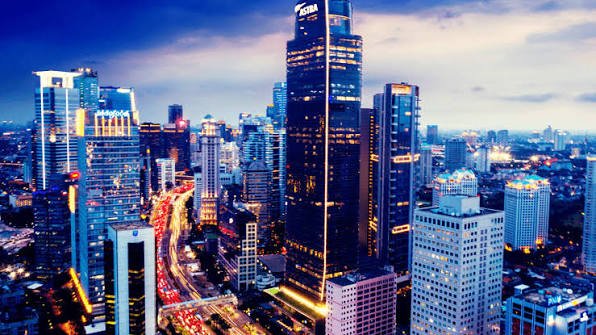
While megacities drive economic growth, they also encounter various challenges, including congestion, pollution, and social inequality. High population density can lead to overcrowded transportation systems and increased environmental stress, impacting overall quality of life. For example, cities like Jakarta and Mexico City grapple with severe traffic congestion, affecting economic productivity. Addressing these challenges requires innovative urban planning strategies, investments in sustainable infrastructure, and policies aimed at reducing inequality.
What hidden costs should be considered in megacycles?
When evaluating the economic impact of megacities, it is important to consider the hidden costs associated with urbanization. These may include increased living costs, rising housing prices, and the strain on public services such as healthcare and education. For instance, as populations expand, cities may face higher demand for transportation and utilities, leading to increased costs for local governments and taxpayers. Understanding these trade-offs is essential for assessing long-term sustainability and economic health.
How do megacities affect inequality within and outside their borders?
Megacities can exacerbate economic inequality both within their populations and across regions. While they offer abundant opportunities, not all residents benefit equally from their economic activities. High living costs can push lower-income families to the outskirts, limiting their access to jobs and essential services. Additionally, wealth generated in these urban centers may not be evenly distributed, often leaving rural areas and smaller towns underdeveloped. This dynamic can lead to tensions between urban and rural populations, influencing political and social landscapes.
What are the future trends for megacities?
The future of megacities is likely to involve significant technological advancements, particularly in sustainability and digital infrastructure. Smart city initiatives, which incorporate technology to improve urban living, are shaping how megacities operate. For example, cities like Barcelona are implementing smart traffic management systems that reduce congestion and enhance energy efficiency. Investments in green technologies will also play a critical role in mitigating environmental impacts. As the global population continues to urbanize, megacities must balance growth with sustainable practices.
Which megacities are leading in economic output?
Currently, cities such as Tokyo, New York, and Los Angeles rank among the top megacities by economic output. Tokyo, for instance, leads with a GDP that exceeds $1.6 trillion, establishing its position as a world financial center. Comparison studies show that these cities benefit from dense economic activities, advanced infrastructure, and a high concentration of multinational corporations, further reinforcing their economic significance in global markets.
How do megacities’ infrastructures support economic growth?
The infrastructure in megacities significantly supports economic growth by providing essential services and facilitating connectivity. Robust transportation networks, including subways, buses, and road systems, enhance mobility and access to markets. Additionally, state-of-the-art telecommunications and utility infrastructures ensure that businesses can operate efficiently. Investments in these areas lead to improved productivity, which ultimately boosts the local and national economies.
What are the positive effects of living in a megacity?
Living in a megacity offers various advantages, including better job opportunities, access to cultural events, and superior educational institutions. Residents can benefit from diverse social and entertainment options, fostering a vibrant community life. Moreover, megacities often serve as incubators for new ideas, providing a dynamic environment for innovation and collaboration. These factors can contribute to enhanced quality of life, economic mobility, and overall satisfaction among urban populations.
Who should NOT consider living in a megacity?
Individuals who prefer quieter environments, struggle with high living costs, or wish to avoid congestion may not find megacities suitable. Those concerned about pollution and social inequality might also consider alternative living arrangements in smaller towns or cities where they can enjoy a more balanced and less hectic lifestyle.
What can be done to enhance the economic impact of megacities?
To enhance the economic impact, policymakers should prioritize sustainable urban planning and invest in infrastructure that meets the needs of growing populations. Strategies include developing affordable housing, improving public transport, and expanding digital connectivity. Collaborations between businesses, governments, and community stakeholders can ensure a more inclusive economic environment. By addressing challenges and leveraging their strengths, megacities can continue to thrive economically.
FAQ
What are the negatives of megacities?
Negatives include congestion, pollution, and inequality, which can affect living standards and quality of life in urban areas.
What are the economic impacts of urbanization?
Urbanization drives economic growth through job creation, innovation, and increased productivity, but also poses challenges like housing shortages.
What has led to the growth of megacities?
Factors include rural-to-urban migration, globalization, and advancements in technology, leading to higher living standards and job opportunities.
What are examples of economic impacts?
Economic impacts include boosted local GDP, changes in labor markets, and increased access to goods and services, often influencing global markets.
How do megacities influence innovation?
Megacities foster innovation by concentrating talent, resources, and infrastructure, promoting collaboration among industries, universities, and startups.
In summary, megacities play a crucial role in shaping global economies through their contributions to trade, innovation, and workforce productivity. While they present challenges such as congestion and inequality, their potential for economic growth is unmatched. Understanding these dynamics will help stakeholders leverage the advantages of megacities for future development.


Leave a comment