
· By KAI
Quick answer: Quentin Tarantino has directed ten feature films, renowned for their unique storytelling, eclectic soundtracks, and stylistic elements. His most popular movies include “Pulp Fiction,” “Kill Bill,” and “Inglourious Basterds.” This list details all of his films, highlighting key themes and their cultural significance.
- Quentin Tarantino is known for his non-linear storytelling and memorable dialogue.
- He has directed ten feature films, each critically acclaimed and diverse in themes.
- His debut film “Reservoir Dogs” launched his career in 1992.
- Tarantino’s movies often feature strong, complex characters and rich narratives.
- Pulp Fiction set new standards for independent cinema in the 1990s.
What films has Quentin Tarantino directed?
Quentin Tarantino’s filmography includes a range of influential titles that showcase his unique flavor in filmmaking. His directorial debut, Reservoir Dogs, released in 1992, quickly established him as a distinctive voice in cinema. This was followed by Pulp Fiction in 1994, which not only cemented his reputation but also won the Palm d’Or at the Cannes Film Festival. Other notable films include Kill Bill: Volume 1 (2003) and Inglourious Basterds (2009), which demonstrate his ability to blend humor, violence, and innovative narratives.
Which Quentin Tarantino movies are the most notable?
Among Tarantino’s cinematic offerings, several stand out for their cultural impact and critical acclaim. Pulp Fiction is often praised for its rich narrative structure and memorable dialogue, redefining how stories can be told in cinema. Django Unchained (2012) draws attention as a bold commentary on race relations, while The Hateful Eight (2015) showcases his prowess in building tension and character dynamics. Each film reflects Tarantino’s unique style and often draws on genres such as Westerns, crime dramas, and revenge thrillers. Beyond these films, Once Upon a Time in Hollywood (2019) also emerges as a nostalgic yet critical lens on Hollywood’s evolution and the era’s cultural changes. Tarantino’s innovative approaches to storytelling and character development have left an indelible mark on modern cinema.
When were Tarantino’s movies released?
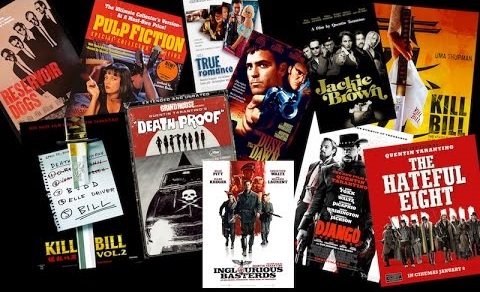
The following is a list of Quentin Tarantino’s films in order of release, which serves to both highlight his evolution as a filmmaker and provide context for each film’s themes and styles:
- Reservoir Dogs (1992)
- Pulp Fiction (1994)
- Jackie Brown (1997)
- Kill Bill: Volume 1 (2003)
- Kill Bill: Volume 2 (2004)
- Death Proof (2007)
- Inglourious Basterds (2009)
- Django Unchained (2012)
- The Hateful Eight (2015)
- Once Upon a Time in Hollywood (2019)
What are the common themes in Tarantino’s films?
Tarantino’s works are characterized by several recurring themes, including revenge, violence, and the exploration of popular culture. Most of his films often feature an anti-hero protagonist battling against corrupt systems. Tarantino blends the influences of 1970s cinema, spaghetti westerns, and martial arts films into his narratives. The dialogue is typically sharp and witty, delivering both exposition and humor in essential parts of the films. For example, in Django Unchained, the themes of revenge and redemption are intertwined with a bold critique of systemic racism, while Pulp Fiction uses intertwining storylines to explore fate and morality in an urban setting. Tarantino’s ability to combine various genres and cultural references creates films rich with layers and interpretations.
How do critics view Tarantino’s films?
Critics have generally praised Quentin Tarantino’s films for their originality and artistic merit, often noting how he elevates genre cinema to an art form. While films like Pulp Fiction and Django Unchained have received numerous accolades, including Academy Awards, some critiques arise regarding the violence depicted in his works. Nevertheless, Tarantino’s ability to blend humor, style, and intense drama continues to be celebrated in cinematic circles. Critics appreciate his knack for creating iconic characters and unforgettable scenes, often citing how he redefines traditional narrative structures. Films such as Inglourious Basterds are especially lauded for their bold reimagining of history, adding depth and complexity to discussions around power and vengeance, which resonate with audiences and provoke thought long after the credits roll.
Which one fits you? Reader profiles
Choosing a Quentin Tarantino film can be guided by your cinematic preferences. Here are some reader profiles to help you decide:
- The Classic Film Buff: If you enjoy iconic films, start with Pulp Fiction for its groundbreaking narrative and cult status. Its intertwined stories allow for a captivating viewing experience.
- The Action Enthusiast: For high-octane action combined with revenge themes, Kill Bill: Volume 1 is an excellent choice. The film’s choreography and stylistic violence are standout aspects that satisfy fans of adrenaline-pumping cinema.
- The History Lover: If you appreciate films that intertwine real history with fiction, explore Django Unchained or Inglourious Basterds. Both films provide a commentary on past injustices wrapped in gripping narratives.
- The Modern Enthusiast: If you are interested in contemporary Hollywood critiques, Once Upon a Time in Hollywood offers a reflective take on the industry, nostalgia, and fame, showcasing Tarantino’s storytelling evolution.
How Does Tarantino Approach Storytelling?
Tarantino’s approach to storytelling is multifaceted, often including non-linear narratives. His films frequently feature intersecting storylines, which can introduce various character arcs and themes in a cohesive manner. The infamous use of flashbacks and the deliberate skipping of timelines are methods that set his work apart from traditional storytelling. This technique invites the audience to piece together the narrative actively, creating an engaging viewing experience. For instance, in Death Proof, the structure leads viewers through a dual narrative that heightens tension and showcases the character arcs uniquely. Tarantino’s bold decision to disrupt conventional storytelling norms fosters a deeper engagement from his audience, as they navigate the timeline alongside the characters.
Common mistakes when watching Tarantino films
Many viewers may misinterpret Tarantino’s unique storytelling style, leading to confusion. A common mistake is expecting a linear progression, which his films often lack. Clarifying the timelines through character names, subtitled locations, and chapters can help viewers keep track of the narrative flow. Additionally, honing in on the dialogue and character interactions can enhance appreciation for the film’s depth and humor. It’s beneficial to be mindful of the cultural references and stylistic choices that Tarantino employs, as these are integral to understanding his films. Thus, taking the time to engage with each character’s motivations can deepen your viewing experience. Investing yourself in the subtleties of the narrative will reveal the intricacies that have become hallmarks of Tarantino’s storytelling style.
FAQ
Searching for common questions about Quentin Tarantino can yield useful insights for fans and newcomers alike. Below are frequently asked questions about his works.
What are Quentin Tarantino’s 10 films in order?
Quentin Tarantino’s feature films in the order of release are as follows: Reservoir Dogs (1992), Pulp Fiction (1994), Jackie Brown (1997), Kill Bill: Volume 1 (2003), Kill Bill: Volume 2 (2004), Death Proof (2007), Inglourious Basterds (2009), Django Unchained (2012), The Hateful Eight (2015), and Once Upon a Time in Hollywood (2019).
What is Tarantino’s 10th film?
Once Upon a Time in Hollywood, released in 2019, serves as Quentin Tarantino’s tenth feature film, reflecting his narrative on the Hollywood industry during the late 1960s.
What is considered Quentin Tarantino’s best movie?
Critically, Pulp Fiction (1994) is often regarded as Quentin Tarantino’s best movie due to its innovative structure, character development, and cultural impact, setting standards in independent cinema.
What are the 9 Quentin Tarantino movies in order?
The 9 feature films directed by Quentin Tarantino in release order are Reservoir Dogs, Pulp Fiction, Jackie Brown, Kill Bill: Volume 1, Kill Bill: Volume 2, Death Proof, Inglourious Basterds, Django Unchained, and The Hateful Eight.
How many movies has Quentin Tarantino made?
As of 2026, Quentin Tarantino has directed ten feature films, showcasing diverse themes and storytelling styles that reflect his cinematic vision.
Alternatives Worth Considering
For those who appreciate Quentin Tarantino’s cinematic style but are looking for something different, several filmmakers offer similarly stylized narratives or innovative storytelling techniques. Directors such as Martin Scorsese, known for his intense character explorations in films like Goodfellas and The Irishman, and Guy Ritchie, celebrated for his fast-paced thrillers like Snatch and Lock, Stock and Two Smoking Barrels, are notable alternatives. Similarly, directors such as Edgar Wright with films like Shaun of the Dead and Baby Driver, bring unique blends of humor and action. Each of these filmmakers reflects elements of Tarantino’s genre-obsessed storytelling and stylistic flair while infusing their own distinct influences.
In summary, Quentin Tarantino has crafted a remarkable body of work through ten feature films acclaimed for their character depth, narrative innovation, and stylistic flair. Each movie contributes to his legacy in cinema, making them worthy of viewing and analysis.







Leave a comment