
· By KAI
Quick answer: Shortcodes are simple snippets of code within square brackets that replace specific content or functionality on your WordPress site, allowing you to enhance your pages without any coding knowledge. This makes it easy to add features like contact forms or videos effortlessly.
- Shortcodes simplify complex functions into a manageable format.
- They improve website consistency and speed up content creation.
- Shortcodes can be used across posts, pages, and widgets.
- Understanding shortcodes enhances your site’s interactivity.
- WordPress offers many built-in shortcodes, along with those from plugins.
What Are WordPress Shortcodes?
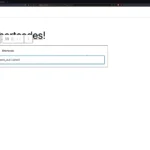
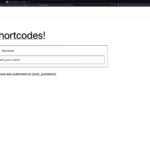
WordPress shortcodes are snippets of code, typically encapsulated in square brackets, that allow users to execute predefined functions or insert elements into their website’s content. Introduced in WordPress version 2.5, shortcodes are particularly useful for embedding complex features without requiring coding skills. For instance, you might encounter a shortcode like 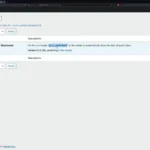

Why Should You Use Shortcodes on Your WordPress Site?
There are several compelling reasons to utilize shortcodes in your WordPress website:
- Ease of Use: Adding functionalities like buttons, maps, or forms without coding makes your site more interactive. Shortcodes allow even those with limited technical knowledge to enhance their websites.
- Flexibility: Shortcodes can be placed in various locations, including posts, pages, and widgets, without disrupting the layout. You could integrate a video and a contact form in the middle of an article seamlessly.
- Consistency: You can deploy the same shortcode across different content pieces for a unified look. For instance, a shortcode for testimonials can be used to ensure uniform design throughout your site.
- Time-Saving: Create content quickly by inserting shortcodes instead of manually coding each feature. This is particularly useful for content-heavy websites where speed of creation is essential.
How to Use Shortcodes on Your WordPress Site
Step 1: Understanding the Function of Shortcodes
Before inserting a shortcode, it’s important to know what it does. For example, a shortcode like Error: Contact form not found.

Step 2: Inserting Shortcodes in Your Content
Adding a shortcode to your content is straightforward. Follow these steps:
- Open the WordPress Editor: Navigate to the desired post or page.
- Choose the Shortcode Location: Decide where within the content you want the shortcode to be placed, ensuring it flows well with the surrounding text.
- Add a Shortcode Block: Click the plus sign (+) to access blocks, find “Shortcode,” and select it. This ensures you are using the correct format for the shortcode.
- Insert the Shortcode: Type or paste your shortcode, for example,
Error: Contact form not found.
- Save and Preview: Click “Update” to save your changes and preview the content to see the shortcode in action. This step helps in identifying any issues before publication.

Step 3: Embedding Shortcodes in Text
Shortcodes can also be embedded within regular text. For example, you can write, “Reach out to us via
Error: Contact form not found.
,” placing the shortcode seamlessly within the sentence. This method allows for more natural integration of dynamic content. Ensure that the surrounding text provides context for the shortcode, making it clear to readers what the shortcode represents.
Common Mistakes When Using Shortcodes
When working with shortcodes, users often make a few common mistakes that can prevent them from functioning correctly. Here are a few to avoid:
- Incorrect Syntax: Ensure that you are using the exact naming and brackets as prescribed; even slight variations can lead to display issues. For example, a missing bracket can easily result in errors.
- Not Previewing Changes: Always preview your post after inserting a shortcode to confirm that it appears as intended before publishing. This helps catch any formatting issues early.
- Assuming All Shortcodes Are Universal: Remember that a shortcode from one plugin may not work with another, so always check compatibility. Each plugin often has its specific environment for shortcodes.
How to Create Your Own Shortcodes
Creating custom shortcodes in WordPress involves adding a simple function to your theme’s functions.php file. Start by defining the function that returns the content you want to display, followed by registering the shortcode with the add_shortcode function. This method allows you to tailor the shortcode specifically to your needs. For example, if you want a shortcode to display your office hours, you would create a function that outputs that information in a styled format and link it to a shortcode like [office_hours]. Testing the shortcode in different contexts will ensure it functions properly.
Understanding the Shortcode Ecosystem in 2026
In 2026, leveraging the shortcode ecosystem can greatly enhance your WordPress website. With the ongoing evolution of plugins, many now include their unique shortcodes to integrate advanced functionalities. Additionally, many themes offer built-in shortcodes for easy layout customization. Understanding which shortcodes suit your needs can save time and improve user engagement significantly. For instance, you could use shortcodes from popular plugins such as Elementor or WP Forms to add complex layouts or forms efficiently. Staying updated on available shortcodes can contribute greatly to keeping your site fresh and engaging.

Which Type of User Benefits Most from Shortcodes?
To assist you in determining the right approach to use shortcodes, consider your situation:
- Beginners: If you are new to WordPress and want to enhance your site without learning code, using pre-built shortcodes from plugins like Elementor can greatly simplify this process. Beginners can focus more on content and less on technical details.
- Small Businesses: Shortcodes can help you quickly add contact forms, galleries, or testimonials throughout your site with minimal fuss. This efficiency can have a significant impact on customer engagement and service management.
- Content Creators: If you frequently produce articles or videos, using shortcodes allows you to maintain a high engagement level on your pages by dynamically inserting relevant elements. This can lead to increased time on site and interaction.
- Advanced Developers: If you’re comfortable with coding, creating your custom shortcodes can streamline how you handle complex functionalities on various pages. This freedom to customize can yield better performance and user experiences.
Realistic Example Scenarios
Scenario 1: A Travel Blog Using a Gallery Shortcode
A travel blogger integrates a gallery shortcode from a photo plugin to showcase their adventures. By simply adding the shortcode within their post about their last trip, they dynamically display a curated selection of images without coding the gallery layout themselves, making the post visually appealing and engaging for readers.
Scenario 2: A Business Website with a Contact Form
A small business website utilizes a shortcode from the Contact Form 7 plugin to place a contact form on their homepage. By adding the shortcode
, they enable potential customers to easily reach out without navigating through multiple pages, enhancing user experience and potentially increasing leads.
Scenario 3: An E-commerce Site Featuring Products
An online store employs WooCommerce shortcodes to display their products in a customized manner. By embedding [products limit="4" columns="4"] in their promotional post, they can present featured products dynamically alongside other content, effectively engaging users and boosting sales without additional coding.
Pros and Cons of Using Shortcodes
| Pros | Cons |
|---|---|
| Simplifies complex features | Potential for plugin conflicts |
| Reduces need for coding knowledge | Dependence on plugins for functionality |
| Promotes consistency across site | Limited control over customization based on advance needs |
| Saves time during content creation | Shortcode may malfunction if not used correctly |
Conclusion: Making the Most Out of Shortcodes
Shortcodes are a simple yet powerful feature in WordPress that allows you to add dynamic content effortlessly. By understanding how to use and create shortcodes, you can significantly enhance the functionality and interactivity of your site. Whether you’re a novice or an experienced user, integrating shortcodes can lead to a more dynamic, engaging web presence. Start incorporating shortcodes today to unlock the potential of your WordPress site!
For more on enhancing your site, please see Why WordPress is the Best CMS Choice for Your Website Needs in 2026.






Leave a comment