
Quick answer: Search Engine Optimization (SEO) is a strategic approach to enhance your website’s visibility on search engines, thereby increasing organic traffic and improving business outcomes. This comprehensive guide will explore the core components, strategies, benefits, and best practices of SEO.
- Understand what SEO is and why it matters.
- Learn about the core components of SEO, including technical, on-page, and off-page elements.
- Discover strategies to effectively enhance your site’s search engine rankings.
- Identify the benefits of implementing SEO in your digital marketing efforts.
- Review best practices to follow for successful SEO implementation.
What is SEO?
Search Engine Optimization, abbreviated as SEO, is the process of enhancing a website’s presence on search engines to attract organic traffic. This involves not only optimizing content but also improving technical aspects and gaining quality backlinks. The essential principles of SEO revolve around the relevance, authority, and utility of your content. To achieve successful SEO, it is vital to conduct thorough keyword research, create valuable content, and provide users with an excellent experience on your site. Higher rankings on search engines lead to increased traffic and potential conversions. Explore how to select the best long-tail keywords for your niche in this guide.

What are the Core Components of SEO?
The fundamental components of SEO are crucial for anyone looking to improve their search engine rankings. Each component collaborates to make your site accessible, relevant, and authoritative.
What is Technical SEO?
The focus of technical SEO is on the backend structure of a website, ensuring that search engines can crawl and index it effectively.
- Site Architecture: A well-structured site helps search engines easily navigate and comprehend your content.
- Mobile Optimization: Given the growing reliance on mobile devices, making your site mobile-friendly is critical for effective SEO.
- Page Speed: Faster load times enhance user experience and are favored by search engines.
- XML Sitemaps: Sitemaps assist search engines in efficiently exploring your site.
What is On-Page SEO?
On-page SEO involves optimizing individual web pages to enhance their rankings and attract relevant traffic.
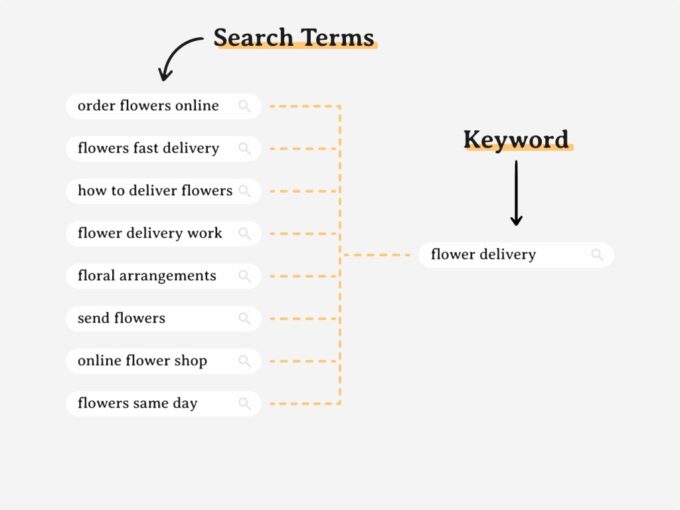
- Keyword Research: Pinpointing the right keywords is crucial for successful on-page SEO.
- Content Quality: Engaging, informative, and relevant content is vital for keeping visitors on your site.
- Meta Tags: Optimizing title tags and meta descriptions with targeted keywords boosts click-through rates.
- URL Structure: Clean and descriptive URLs enhance search engines’ understanding of your page content.
What is Off-Page SEO?
Off-page SEO focuses on strengthening your site’s authority through external means.
- Backlinks: High-quality links from trustworthy sites indicate to search engines that your site is credible and authoritative.
- Social Signals: Activity on social media can indirectly affect SEO by enhancing brand awareness and driving traffic.
- Brand Mentions: Even unlinked mentions of your brand contribute to your site’s credibility and reputation.
How Does SEO Work?
SEO operates through a series of processes enabling search engines to discover, index, and rank your website. The mechanics include:
- Crawling: Search engines deploy bots, called crawlers or spiders, to traverse the web and uncover new or updated content, following links to gather information about each page.
- Indexing: Once a crawler identifies a page, it processes and saves the information into an extensive database known as an index, which contains all potentially useful pages detected by the search engine.
- Ranking: When a user inputs a query, the search engine sifts through its index for pertinent pages and then employs complex algorithms, factoring in over 200 elements, to rank these pages based on criteria like keyword relevance and user experience.
What are the Different Types of SEO Strategies?
Understanding the various SEO strategies available is essential for navigating the SEO landscape effectively. Each strategy offers unique approaches that can influence your site’s visibility.
What is White Hat SEO?
This ethical strategy aligns with search engine guidelines and emphasizes providing genuine value to users. It includes high-quality content creation, ethical link building, and user-centric website design.
What is Black Hat SEO?
Black hat SEO utilizes manipulative tactics that contravene search engine guidelines, including keyword stuffing and cloaking. Although these methods may yield short-term gains, they frequently lead to severe penalties from search engines.
What is Gray Hat SEO?
Gray hat SEO resides between the ethical strategies of white hat and the devious tactics of black hat. It capitalizes on loopholes in search engine algorithms without overtly flouting guidelines.
What are the Benefits of SEO?
Implementing SEO yields numerous advantages that are vital for any digital marketing initiative.
- Increased Organic Traffic: Enhanced search rankings lead to a higher influx of visitors finding your site via organic search.
- Higher ROI: SEO offers superior return on investment compared to paid search campaigns over the long haul.
- Long-term Results: Unlike paid advertisements, the effects of effective SEO can persist over time, continually driving traffic.
- Improved User Experience: SEO encompasses optimizing site speed and enhancing navigation, which together improve the user experience.
- Brand Credibility and Trust: Appearing in higher search results generates user trust and credibility.
- Competitive Advantage: Well-executed SEO strategies can position you favorably against competing businesses, driving more traffic and conversions.
- Cost-Effectiveness: Once established, effective SEO can generate substantial organic traffic, minimizing reliance on ongoing paid advertising.
- Local SEO Benefits: Optimizing for local searches attracts targeted traffic to brick-and-mortar locations.
- Synergy with Other Marketing Channels: SEO complements other digital strategies, including content marketing and social media initiatives.
- Insights into Customer Behavior: SEO tools and analytics deliver essential data about user behavior trends and preferences.
What are the Best Practices for SEO?
To maximize the effectiveness of your SEO efforts, consistently adhere to these best practices.
- Regularly Updated Content: Fresh, relevant content helps sustain and enhance search rankings.
- User Experience Focus: Crafting a user-friendly website that is easy to navigate can lower bounce rates and boost rankings.
- Ethical Link-Building: Cultivating relationships and acquiring quality backlinks from reputable sources is instrumental for off-page SEO.
- Performance Tracking: Utilize tools like Google Analytics to monitor site performance and pinpoint areas needing improvement.
- Keyword Optimization: Regularly research and incorporate relevant keywords into your content to enhance alignment with user search queries.
- Quality Over Quantity: Prioritize producing high-quality, valuable content rather than merely increasing volume.
- Security Measures: Ensuring your site uses HTTPS fosters trust with both users and search engines.
Decision Framework for Effective SEO Strategy
When selecting an SEO strategy, evaluate your specific circumstances and objectives. Consider factors such as the level of competition in your niche, your available budget, and your team’s expertise.
For instance, if you operate a small local business, focusing on local SEO strategies, such as optimizing for local search terms and managing local listings, can yield significant returns with limited investment. Conversely, larger businesses with robust budgets might benefit from comprehensive white hat strategies, including content marketing and robust backlink campaigns.
If you are uncertain about your SEO approach, consider investing in an SEO audit. This assessment can provide valuable insights into your current positioning, identify gaps, and recommend actionable improvements.
Common Mistakes to Avoid in SEO
Avoiding typical pitfalls is crucial for maintaining effective SEO practices. Common mistakes include:
- Neglecting Mobile Optimization: Failing to ensure mobile compatibility can result in losses, as a significant portion of users access sites via mobile devices.
- Overlooking On-Page SEO: Not optimizing page elements like title tags, keywords, and meta descriptions may limit your pages’ search visibility.
- Lack of Regular Updates: An outdated website can deter users and negatively impact search rankings.
- Focusing Solely on Keywords: While keywords are important, providing valuable content should be the priority.
- Ignoring Analytics: Not utilizing performance data can leave you unaware of how to adjust your strategies for better outcomes.
Conclusion
SEO is a comprehensive discipline that requires a thoughtful, strategic approach to achieve and maintain high rankings on search engines. By understanding and implementing the core components, ethical strategies, and best practices outlined in this guide, you can significantly improve your website’s visibility and attract organic traffic. For practical examples of keyword strategies, be sure to read our case study on Keyword Chef.
For additional insights into effective digital marketing, check out What is a Sales Funnel and How Does it Work Exactly?








Leave a comment